Scoring goals might win the highlights, but defending wins matches. In eFootball 2027, the difference between an average player and a top Division competitor is often found without the ball. Strong defenders don't rely on constant pressing or reckless tackles. Instead, they stay organised, read the game well and force opponents into making mistakes.
Many players believe defending is simply about winning the ball back as quickly as possible. In reality, good defending starts long before a tackle is made. It begins with positioning, patience and understanding where the real danger is developing.
Whether you play Possession Game, Quick Counter or Long Ball Counter, improving your defensive habits will immediately make you more difficult to beat. These practical tips will help you concede fewer goals and become much more confident in online matches.
Defending Starts Before You Lose the Ball
The easiest goal to defend is the one that never develops. Poor passes, rushed attacks and unnecessary dribbling often leave your team completely exposed when possession changes.
If you constantly lose the ball with five or six players ahead of it, even the strongest defenders will struggle to stop counter-attacks. Smart attacking naturally leads to better defending because your team remains balanced when possession is lost.
Always think about what happens if your next pass fails. That simple habit can prevent many dangerous situations before they begin.
Don't Rush Towards the Ball
One of the biggest mistakes made by newer players is charging directly at the ball carrier every time.
Good opponents actually want you to do this. Once you commit too early, a simple pass or quick turn immediately creates space behind your defender.
Instead of trying to win possession within the first second, concentrate on slowing the attack down. Force your opponent to think. Every extra touch gives your teammates more time to recover their defensive positions.
Patience is one of the strongest defensive skills in eFootball.
Use Midfielders Before Centre-Backs
Whenever possible, defend with your midfield players first.
Your centre-backs should remain in position protecting the penalty area. Pulling them forward too early creates gaps that skilled opponents will immediately exploit with through balls or quick one-two passes.
Defensive midfielders are designed to apply pressure without exposing the back line. Allow them to do their job before involving your central defenders.
Many online goals are conceded because the centre-back leaves his position unnecessarily.
Protect the Middle of the Pitch
The most dangerous chances usually come through central areas, not from wide positions.
If you force attackers towards the touchline, they have fewer passing options and a much tighter shooting angle. Allowing them to attack straight through the middle is far more dangerous.
Whenever you're unsure where to defend, protect the space in front of your centre-backs first. Wide attacks can often be dealt with later, but central mistakes are punished immediately.
Master Jockeying
Many players rely almost entirely on the tackle button. Experienced defenders spend much more time jockeying.
Jockeying allows you to stay goal side of the attacker while matching their movement without overcommitting. It also makes it much easier to react if they suddenly change direction.
Think of jockeying as guiding the attacker rather than trying to steal the ball instantly. Once they run out of space or take a heavy touch, that's the moment to challenge.
Know When to Press
Pressing can be extremely effective, but only when used at the right time.
Good moments to press include:
- Immediately after your opponent receives a poor first touch.
- When they receive the ball facing their own goal.
- Near the touchline where passing options are limited.
- When multiple defenders are close enough to support the press.
Avoid pressing aggressively if one successful pass would immediately leave your defence exposed.
Don't Dive Into Tackles
Standing tackles and sliding tackles should be the final step, not the first.
Many online players attempt a tackle simply because they are close enough. Good attackers expect this and will happily use a skill move or quick turn to bypass the challenge.
Stay patient. Force the mistake first, then make the tackle.
Winning possession cleanly is always better than gambling on a challenge that could leave your defender behind the play.
Read the Pass Instead of Chasing the Player
Strong defenders think one or two passes ahead.
Rather than following the player with the ball everywhere, watch the runners around them. Many attacks are designed to tempt you into leaving your defensive position before the decisive pass is played.
Intercepting a through ball is often easier than trying to recover after it has already been played.
The more football you watch and play, the easier it becomes to recognise these passing patterns before they happen.
Stay Organised After Losing Possession
The first few seconds after losing the ball are often the most dangerous.
Resist the temptation to chase immediately with whichever player is closest. Instead, recover your team's shape, close passing lanes and delay the counter-attack.
If your opponent cannot move the ball forward quickly, your midfield and defence have time to recover naturally.
Good defensive organisation usually beats frantic pressing.
How to Stop Quick Counter Attacks
Quick Counter is one of the most dangerous playstyles because it attacks before your defence has time to recover. The biggest mistake you can make is trying to win the ball immediately after losing possession.
Instead, focus on delaying the attack. Retreat with your midfielders, block the central passing lanes and force your opponent to play sideways or towards the wings. Every second you buy allows your defenders to regain their shape.
Remember that not every counter-attack needs to be stopped instantly. Sometimes simply slowing it down is enough.
Breaking Down Possession Players
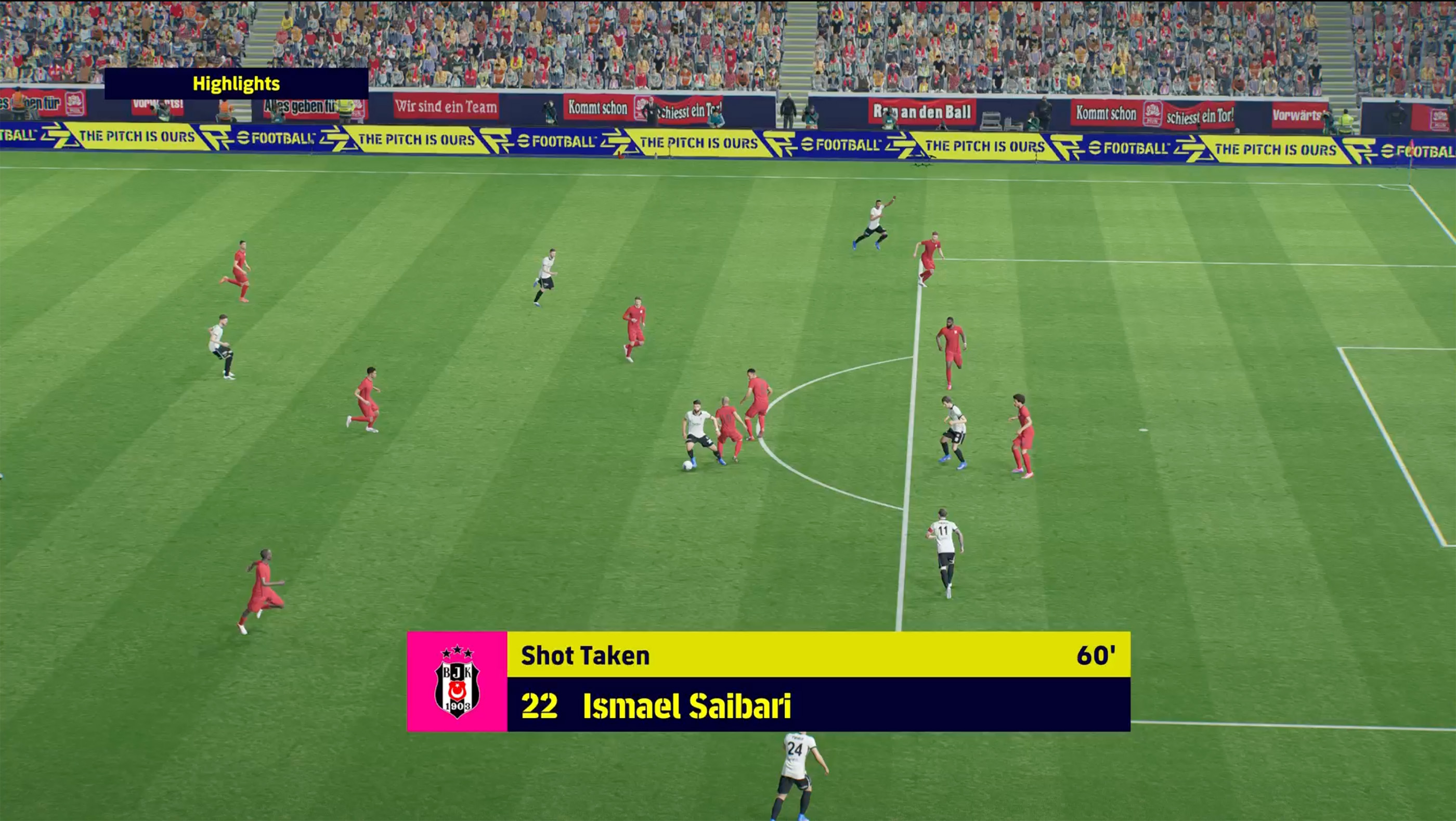
Some opponents are happy to keep the ball for long periods, waiting for you to lose patience. Chasing every pass usually plays straight into their hands.
Against possession-based players, keep your defensive shape compact and resist unnecessary pressing. Stay close to the passing lanes and make them work for every opening.
Eventually, even the most patient opponent will attempt a risky pass. That is usually the best time to step in and regain possession.
How to Defend Through Balls
Few things are more frustrating than conceding from a simple through ball. Fortunately, most of these goals can be prevented with good positioning.
Rather than watching only the player with the ball, keep an eye on the attackers making runs behind your defence. If you recognise the run early, you can adjust your position before the pass is played.
Avoid dragging your centre-backs too far forward. The more space you leave behind them, the easier it becomes for quick forwards to exploit.
Defending Against Skill Moves
Many players panic when they see an opponent using stepovers, double touches or other skill moves. In reality, most skill moves only become dangerous if the defender commits too early.
Stay on your feet, keep a sensible distance and wait for the attacker to complete the move. Once they expose the ball or lose momentum, move in to win it.
Patience beats panic almost every time.
Force Opponents Wide
The centre of the pitch offers the clearest passing lanes and best shooting angles. Wide areas are naturally less dangerous because the touchline limits the attacker's options.
Whenever possible, guide attackers towards the flank rather than allowing them to dribble directly at your centre-backs.
Once near the sideline, they have fewer passing choices and are much easier to press without leaving dangerous spaces behind your defence.
Don't Overuse Second-Man Press
Second-man press can be useful, but relying on it too often creates problems.
When another defender leaves their position to help press the ball, space naturally opens somewhere else. Skilled opponents will quickly identify that gap.
Use second-man press only when you are confident another defender can cover the space being left behind.
Like every defensive tool, it works best in moderation.
Switch Players Early
Late player switching is responsible for countless unnecessary goals.
Many players continue controlling someone who is no longer involved in the play, only changing player after the danger has already developed.
Try to anticipate the next pass instead. Switch to the defender you are likely to need before your opponent makes the pass, not afterwards.
The earlier you prepare, the easier defending becomes.
Defend Crosses Properly
Crosses remain dangerous, especially when tall forwards attack the penalty area.
Rather than focusing only on the player delivering the cross, pay attention to the striker making the run. Good positioning often matters more than jumping ability.
If you can prevent the attacker from reaching the ideal position before the cross arrives, you've already won half of the battle.
Stay Concentrated After Scoring
One of the most common times to concede is immediately after taking the lead.
Many players relax for a few minutes, push too many players forward looking for another goal or lose concentration from kick-off.
Treat the next few minutes as if the score were still level. Opponents often become much more aggressive after conceding, making defensive discipline even more important.
Use Fresh Legs
Fatigue affects defenders just as much as attackers.
A tired full-back reacts more slowly to overlapping runs, while an exhausted defensive midfielder struggles to close passing lanes.
Don't be afraid to replace defensive players during the final twenty minutes if their stamina has dropped significantly. Fresh legs can make the difference in close matches.
Learn From Every Goal You Concede
Improving defensively starts with honesty.
Instead of blaming luck or game mechanics, look at every goal objectively. Ask yourself what caused the problem.
- Did you pull a centre-back out of position?
- Did you press too aggressively?
- Did you ignore a runner?
- Did you lose possession carelessly?
- Did you defend too deep?
Most goals have a clear cause. Identifying that cause helps prevent the same mistake next time.
Habits of Strong Defenders
The best online defenders don't necessarily make spectacular tackles. Instead, they make intelligent decisions over and over again.
- They stay patient.
- They protect central areas first.
- They defend with midfielders whenever possible.
- They don't sprint unnecessarily.
- They anticipate passes instead of reacting late.
- They recover their defensive shape quickly.
- They rarely dive into tackles.
- They know when to slow the game down.
Good Defending Wins More Matches Than Great Attacking
Every player enjoys scoring goals, but consistently climbing the online divisions depends just as much on preventing them. Defending is about making good decisions, staying organised and remaining patient under pressure.
You don't need to win the ball within two seconds of losing it. Sometimes the smartest decision is simply delaying the attack, protecting dangerous spaces and waiting for your opportunity to recover possession.
Once those habits become automatic, you will notice something interesting. Your opponents begin creating fewer clear chances, your goalkeeper has less work to do and close matches start turning in your favour. That's the sign of a strong defender.
Comments
No comments yet. Be the first to share your thoughts!