Valheim has a habit of making ordinary decisions surprisingly important. Forget to eat before exploring, and a creature you defeated easily yesterday might kill you in two hits. Build your house without proper support, and the roof may collapse. Sail somewhere unfamiliar without preparing for the journey home, and you could spend the next hour recovering your equipment.
The good news is that Valheim rewards preparation more than perfect reflexes. Once you understand food, stamina, building, combat and biome progression, survival becomes considerably more manageable.
These Valheim tips and tricks cover the things worth knowing before your first boss fight, along with practical advice for exploring dangerous biomes, improving your base and keeping your hard earned equipment.
Eat Before You Leave Your Base
Food is one of the most important survival systems in Valheim. Unlike many survival games, you do not simply eat to prevent starvation. Food increases your maximum health and stamina, directly affecting how much damage you can survive and how effectively you can fight.
You can have three different food effects active at once. Some meals favour health, others provide more stamina, and later foods can support Eitr for magic.
For early exploration, try combining a health focused food with stamina providing options. Before difficult boss fights, choose meals that suit your weapon, armour and combat style.
Do not wait until your health is almost empty to think about food. Your maximum health and stamina gradually decline as food effects weaken, so refresh them before entering dangerous territory.
Always Leave Home With the Rested Bonus
The Rested effect is one of the easiest advantages to overlook. It improves health and stamina regeneration, making travelling, mining, fighting and escaping noticeably easier.
You can obtain Rested by spending time in suitable resting conditions, such as a sheltered area with a nearby fire. Comfortable furniture increases the duration of the effect.
Before a long expedition, spend a moment at your base until Rested appears. That small preparation can make a bigger difference than upgrading a single piece of equipment.
Stop Sprinting Everywhere
Stamina is needed for running, jumping, attacking, blocking and several other important actions. If you arrive at an enemy with an empty stamina bar, your options become severely limited.
Walk when the surroundings are safe. Sprint when you need to cover dangerous ground or escape a threat.
During combat, avoid using all your stamina on attacks. Leave enough available to block, dodge or retreat if the enemy survives your combination.
Build a Small Shelter Before a Huge Base
Your first home does not need to be an impressive Viking hall. It needs to keep you alive.
Start with a Workbench, a sheltered sleeping area, a bed, a fire and enough storage for basic materials. Once those essentials are working, expand the structure.
A simple, functional base helps you recover from mistakes and gives you somewhere to prepare for your next expedition.
Remember that smoke needs a way to escape. A poorly ventilated indoor fire can create problems even when the building looks perfectly comfortable.
Repair Your Equipment Regularly
Weapons, armour and tools lose durability through use. Fortunately, repairing equipment at the appropriate crafting station normally costs nothing.
Check your equipment before leaving your base, particularly before entering a dungeon or travelling across the ocean.
A damaged pickaxe is inconvenient near home. A broken weapon in the middle of a difficult fight is considerably worse.
Learn to Parry Instead of Blocking Everything
Blocking is useful, but a properly timed parry can turn defence into an opportunity to attack.
Raise your shield just before an enemy strike connects. When the parry succeeds, the enemy may become staggered, allowing you to deal increased damage.
Start practising against weaker enemies in the Meadows. Learn their attack animations before attempting the same technique against stronger creatures.
Keep in mind that equipment quality and your available health matter. A powerful attack can overwhelm your defence even when your timing appears correct.
Use Dodge Rolls Against Dangerous Attacks
Some enemies hit hard enough that avoiding the attack is preferable to absorbing it with a shield.
Dodge rolling provides a brief opportunity to avoid incoming damage when timed correctly. Watch the enemy's movement and roll as the attack is about to land.
Do not roll constantly. Dodging consumes stamina, and careless rolling can leave you exposed to the next attack.
Carry More Than One Damage Type
Different enemies have different weaknesses and resistances. A weapon that performs well against ordinary creatures may struggle against skeletons or heavily armoured opponents.
Blunt weapons are particularly useful against several early enemies, while bows offer a safer way to attack from a distance.
Try carrying weapons that complement each other rather than relying entirely on one damage type.
Learn the Biomes Before Rushing Ahead
Valheim's world becomes progressively more dangerous as you move into new biomes. The Meadows are relatively forgiving, while the Black Forest introduces stronger enemies and more demanding exploration.
The Swamp, Mountains, Plains and later regions require increasingly careful preparation.
Before entering a new biome, improve your food, weapons and armour using the materials available in your current area. Bring suitable resistance effects when the environment or enemies demand them.
If ordinary enemies in a new region are defeating you repeatedly, that is usually a sign to improve your preparation rather than simply trying to run through everything.
Defeat Bosses When You Are Ready
Forsaken bosses are central to Valheim's progression. Their rewards help unlock new resources, equipment and opportunities for exploration.
Eikthyr is the first major boss and provides Hard Antlers needed to craft an Antler Pickaxe. This allows you to begin mining important early metals.
You do not need to summon a boss immediately after discovering its altar. Prepare food, repair equipment, establish a nearby recovery point and make sure you understand the fight.
Boss preparation often matters more than arriving with the most expensive weapon you can currently craft.
Mark Important Places on Your Map
Your map is one of your most useful exploration tools. Mark copper deposits, dungeons, abandoned structures, useful resources, boss altars and dangerous areas.
Also mark your temporary shelters and landing points when exploring distant islands.
Good map markers save time later, especially when you need to return to a location for materials or recover equipment after dying.
Make Portals Part of Your Exploration Plan
Portals make travelling between distant locations much easier. Once you can build them, establishing connections between your main base and important outposts can save enormous amounts of time.
Keep portal names organised and consider maintaining a spare connection for new expeditions.
However, ordinary portals restrict the transport of certain metals and ores under default world settings. Plan how you will bring those resources home instead of discovering the restriction after filling your inventory.
Later progression introduces additional transport options, and world modifiers can also change portal restrictions.
Do Not Overload Yourself With Resources
It is tempting to collect every stone, branch and piece of wood you encounter, but carrying too much weight can leave you unable to move effectively.
Pay attention to your carrying capacity and prioritise materials that are difficult to obtain or immediately useful.
Use storage chests, carts and ships to transport larger quantities. You do not need to carry an entire forest in your pockets.
Be Careful When Cutting Down Trees
Falling trees are genuinely dangerous in Valheim. A trunk can strike your character, damage nearby structures or knock down other trees.
Stand to the side when possible and watch where the tree begins falling. Avoid cutting large trees directly beside important buildings.
Once you understand how falling trees behave, you can sometimes use them to knock down additional trees or damage objects, but that convenience comes with obvious risks.
Understand Building Stability
Valheim uses a structural support system. Building pieces need a suitable connection to the ground or another supported structure.
When placing construction pieces, their colour indicates structural stability. Pieces with insufficient support may collapse.
Use beams, pillars and stronger building materials to support taller structures. If a roof refuses to stay in place, adding more walls at random is not always the answer. The structure may need a better support path to the ground.
Protect Your Base Before Raids Become a Problem
As you progress, hostile events can bring enemies directly to your settlement.
Do not wait until a raid destroys your crafting stations before considering defences. Walls, terrain shaping and sensible building placement can make your base easier to protect.
Keep valuable workstations and storage away from exposed edges, and avoid placing everything where a single enemy can damage several important structures at once.
Prepare Before Sailing
Boats open up much of Valheim's world, but ocean journeys require planning.
Carry enough food, repair your equipment and consider bringing materials for a temporary shelter or portal at your destination.
Watch the wind direction because sailing performance depends on how the boat is positioned relative to the wind. Learn when to use the sail and when slower movement is necessary.
Do not begin a major voyage with nearly broken equipment and no idea where you intend to land.
Make Recovery Easier Before You Die
Death can leave your equipment at a dangerous location, forcing you to recover it.
Before difficult expeditions, establish a suitable respawn point and keep spare food and basic equipment at your base.
If you die in a dangerous biome, do not immediately run back without preparation. Eat, regain Rested, consider spare protection and approach the recovery location carefully.
Repeatedly dying beside the same tombstone usually makes the situation more frustrating rather than improving your chances.
Use the Right Resistance Effects
Some environments and enemies introduce hazards that cannot be solved simply by carrying a stronger sword.
Poison resistance is particularly useful in the Swamp, while frost protection becomes important when exploring the Mountains.
As you progress, brewing meads and preparing the appropriate resistance effects becomes part of normal expedition planning.
Always consider what is likely to kill you in the next biome, not just how much damage your weapon can inflict.
Take Advantage of Sneaking and Bows
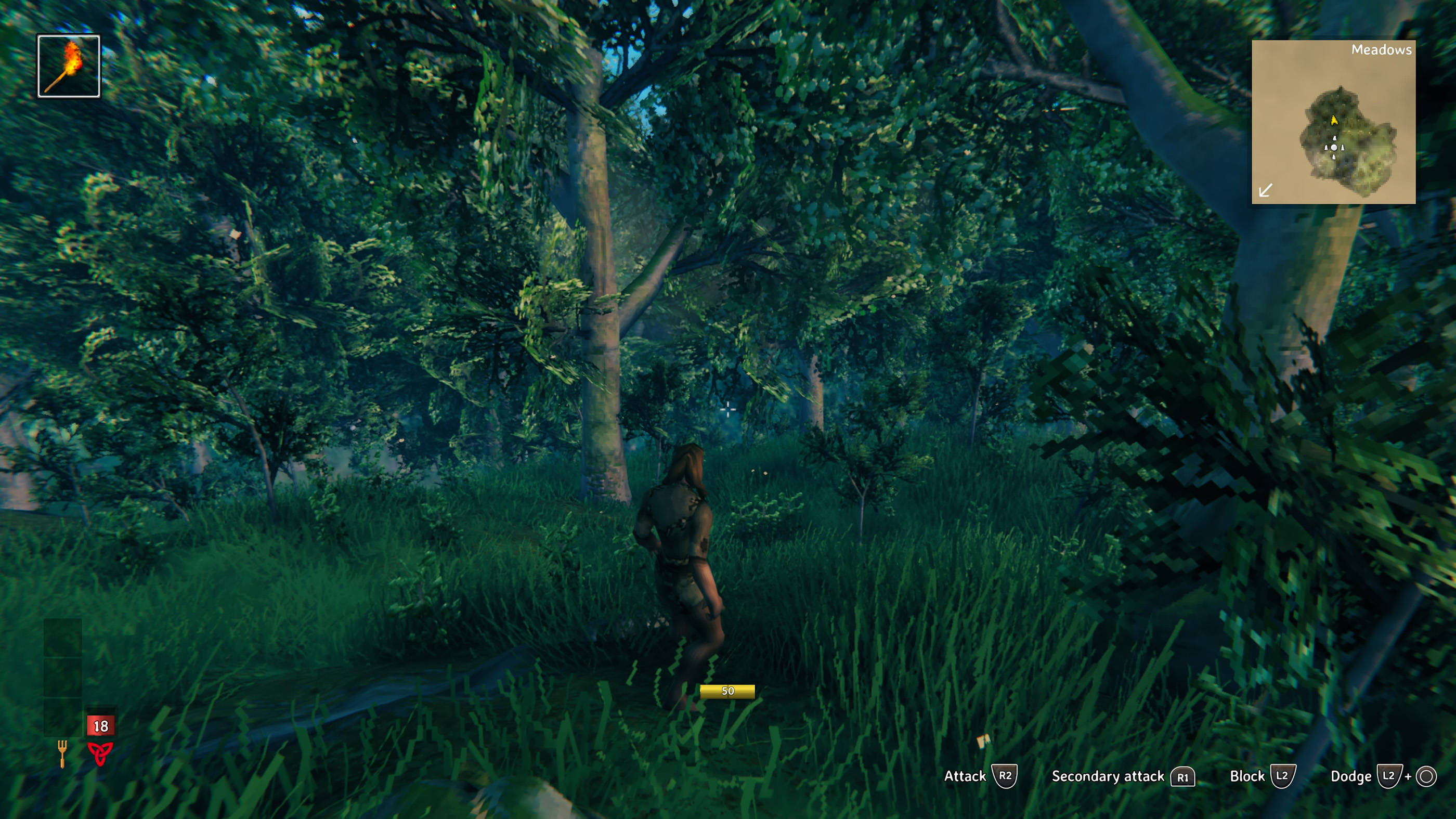
You do not need to fight every enemy at close range.
Sneaking can help you approach wildlife or avoid attracting unnecessary attention. Bows are useful for hunting deer and attacking dangerous targets before they reach you.
A well placed opening attack can make a difficult encounter considerably easier, particularly when the enemy has not yet detected your presence.
Improve Your Comfort Level
Comfort is more valuable than it initially appears because it increases the duration of the Rested bonus.
As you unlock furniture and decorations, improve your resting area with suitable comfort items.
Try to keep your main resting space organised so the relevant comfort sources contribute effectively. A comfortable base means spending less time repeatedly refreshing Rested during long expeditions.
Do Not Neglect Farming and Cooking
As you progress, better recipes become an important part of survival. Farming provides a dependable source of ingredients rather than forcing you to gather every meal from the wilderness.
Developing a reliable food supply makes boss preparation and repeated exploration much easier.
Keep separate storage for ingredients and finished meals if your base becomes busy. That simple habit makes it easier to see what you need before leaving home.
Use World Modifiers to Match Your Playstyle
Valheim includes world modifiers that allow you to adjust aspects of the survival experience.
Depending on the settings, you can change combat difficulty, resource availability, death consequences and certain travel restrictions.
There is nothing wrong with adjusting the experience if you prefer building and exploration over repeated equipment recovery. Just remember that changing these settings can significantly affect how the game plays.
Valheim Beginner Questions
What should I do first in Valheim?
Collect basic materials, craft essential tools, build a Workbench and establish a small shelter with a bed and fire. Then begin improving your food and equipment before challenging Eikthyr.
Why is my health so low?
Your maximum health depends heavily on your active food effects. Eat suitable meals and keep their effects refreshed.
Why does my stamina run out so quickly?
Sprinting, attacking, blocking and jumping consume stamina. Better food, the Rested bonus and more deliberate movement make stamina management easier.
Can I recover my items after dying?
Yes. Your dropped equipment is normally left at a tombstone. Return to the location and recover it, ideally after preparing enough food and protection to survive the journey.
Can I repair equipment for free?
Yes. Repairing tools, weapons and armour at the appropriate crafting station normally does not consume materials.
Can I play Valheim alone?
Yes. Valheim supports solo play as well as cooperative multiplayer. Playing alone requires more careful preparation because you cannot rely on another player to help during difficult fights or equipment recovery.
What is the best advice for surviving Valheim?
Keep three suitable food effects active, maintain Rested, repair your equipment, preserve stamina during combat and prepare properly before entering unfamiliar biomes. Those habits remain useful throughout the game.
Comments
No comments yet. Be the first to share your thoughts!