Once Human becomes much easier once you stop treating it as a game where every problem is solved by carrying a stronger rifle. Your food, ammunition, gear durability, Deviations, territory, crafting materials and build choices all affect how comfortably you can survive the next objective.
The early game throws a lot of systems at you quickly, so the best approach is to improve the things that save time first. Unlock useful travel points, establish a practical base, craft dependable equipment and learn which resources are actually worth carrying home.
The tips below focus on the decisions that make everyday progression smoother without telling you how to play a specific scenario.
Activate Teleportation Towers Whenever You See Them
One of the best habits in Once Human is activating teleportation points as soon as you reach a new area.
You will revisit regions for quests, resources, events and bosses. A tower that seems unnecessary now can save several long journeys later.
Do This before Exploring the Whole Area
If a teleport point is nearby, unlock it first. Dying or leaving the area afterward is much less frustrating because you already have a route back.
Do Not Build Your First Base Like It Is Permanent
Your first territory exists to make progression easier. It does not need to become an architectural masterpiece.
Start with storage, crafting facilities, power when available and enough space to expand. You can spend time decorating once you understand which stations and production systems you actually use.
Storage Placement Matters
Keep commonly used materials organized near the facilities that consume them. A beautiful base becomes irritating very quickly if crafting requires running between several floors and distant containers.
Follow Journey Tasks When You Feel Lost
Once Human contains enough systems that it is easy to unlock something without understanding why it matters.
Journey objectives introduce mechanics while also rewarding normal progression. If you have no obvious next goal, check them before wandering aimlessly.
Spend Memetic Points on Utility First
Memetics unlock important crafting, survival and base functions. Early choices are usually more valuable when they solve a practical limitation rather than providing something you rarely use.
Ask What Is Slowing You Down
If inventory management is painful, improve storage options. If equipment is holding you back, unlock the crafting path you need. If traveling consumes too much time, focus on mobility and infrastructure.
Spend points to remove current problems instead of copying a build designed for a much later stage of progression.
Do Not Craft Every Weapon You Unlock
New blueprints are tempting, but crafting every gun consumes materials that could improve the equipment you actually use.
Choose a small group of weapons that cover different combat ranges and learn their strengths before investing heavily.
Test before Committing Resources
A weapon that looks impressive on a blueprint screen may not suit your preferred range, recoil tolerance or build effects.
Build around a Weapon Effect
Once Human gear becomes much more interesting when weapons, armor, mods and effects support the same idea.
Instead of equipping every item with the highest isolated number, look at how its effects interact with your main weapon.
Synergy Beats Random Upgrades
A lower looking piece of equipment can be more useful if it strengthens the mechanic your build triggers constantly.
Upgrade in Stages
Avoid pouring every valuable material into gear that you already expect to replace soon.
Upgrade enough to comfortably handle your current region, then save rare materials for equipment that will remain useful longer.
Repair before a Long Expedition
Check durability while you are still at your territory. Discovering that an important piece of gear is nearly broken halfway through an objective is an avoidable problem.
Carry More Ammunition Than You Think You Need
Regular enemies may make your ammunition supply look generous. Bosses, elites and large strongholds can change that calculation quickly.
Craft ammunition before leaving rather than expecting every area to provide enough materials for an emergency refill.
Use Melee on Easy Targets
When an enemy poses little danger, melee can preserve ammunition for encounters where distance and sustained damage matter more.
Aim for Weak Points
Accurate shooting saves ammunition and shortens fights.
When an enemy exposes an obvious vulnerable area, move for a clear angle instead of continuing to shoot the easiest part of its body.
Learn Boss Mechanics before Chasing Damage
Many difficult enemies are designed around openings, phases or specific targets. Staying alive long enough to understand the pattern is more useful than unloading every resource during the first few seconds.

Use Cover and Movement Together
Cover is useful, but Once Human enemies can pressure fixed positions.
Fire from cover, move when enemies begin concentrating on your location and roll away from dangerous telegraphed attacks.
Do Not Reload in the Open
If your magazine runs dry, move behind something before reloading whenever possible. The few seconds you save by standing still are rarely worth the damage you take.
Use Your Deviation Instead of Saving It Forever
Combat Deviations exist to influence encounters, not to remain unused because another fight might be harder.
Use them against elites, large enemy groups and dangerous boss phases where their ability can meaningfully reduce pressure.
Choose a Deviation That Solves a Problem
If your build already handles single targets easily, consider something that helps with crowd control or survivability. If clearing ordinary enemies is simple but bosses take too long, choose support that improves concentrated damage.

Secure Useful Deviations Even If You Do Not Need Them Yet
Different Deviations serve combat, territory and production roles.
A Deviation that appears unimpressive during your current activity may become valuable later when your base, resource needs or build changes.
Keep Their Needs in Mind
Your securement setup affects how comfortably Deviations operate. Check what improves their environment rather than placing every unit into identical conditions.
Gather Resources while Traveling
Dedicated farming runs are sometimes necessary, but you can avoid many of them by collecting useful materials while traveling between objectives.
Ore, plants, scrap and other resources encountered directly along your route take little extra time to gather.
Do Not Pick Up Everything Forever
Once your storage begins filling, become selective. Materials that supported your early progression may stop being the resource currently limiting you.
Loot Settlements Properly
When you enter an explorable settlement, do not rush directly to the objective marker and leave.
Search buildings, side rooms and unusual structures for containers and progression items. Many locations reward players who investigate beyond the main route.
Look Vertically
Useful loot is often above or below your current position. Rooftops, upper floors and hidden interiors deserve as much attention as the street.
Use Spacetime When Something Looks Suspicious
Once Human frequently hides information or interactions behind its supernatural systems.
If an objective area feels empty or an unusual environmental detail seems deliberate, use the relevant Spacetime function and inspect the surroundings again.
Complete Events You Encounter Naturally
You do not need to abandon everything whenever an activity appears, but nearby events can be efficient sources of rewards and combat practice.
They are especially worthwhile when the event already lies between you and your current destination.
Save Important Currencies for Important Purchases
Once Human has several currencies and progression resources, and some are much more restrictive than ordinary crafting materials.
Do not spend a scarce resource merely because a menu offers you something immediately. Understand whether the purchase improves your main build or provides lasting progression first.
Be Careful with Starchrom
Starchrom is important for blueprint progression. Avoid treating it like ordinary money. Plan major blueprint spending around the weapons and armor you genuinely want to build around.
Use Vehicles for Resource Runs
Once you have reliable vehicle access, use it for long gathering routes and distant objectives rather than sprinting everywhere.
Stay on Roads When Speed Matters
A direct line across the map is not always the fastest line on the ground. Rocks, cliffs and dense terrain can make a road significantly quicker.
Unlock Teleports Anyway
Vehicles and teleportation complement each other. Driving is excellent for exploring a new route, while teleporting is better once the destination has already been discovered.
Prepare Food and Water before Leaving
Survival meters are easiest to manage when preparation becomes routine.
Carry enough food and drink for the trip instead of waiting for your condition to become inconvenient in the middle of a combat area.
Read Food Effects
Meals are not always interchangeable. Some provide useful temporary benefits, making the right food part of your preparation for difficult content rather than simple hunger management.
Pay Attention to Pollution and Sanity
Certain environments create additional survival pressure beyond enemy damage.
Watch your character's condition when entering polluted territory and prepare suitable consumables or equipment instead of ignoring the effect until your effective health becomes a problem.
Use the Map to Combine Objectives
Before traveling across the region for a single task, check whether another quest, event or resource objective lies nearby.
Completing several goals during one trip is one of the easiest ways to reduce repetitive travel.
Play with Headphones When Exploring Dangerous Areas
Enemy sounds can reveal threats before they enter your field of view.
This is particularly useful inside buildings and around dense terrain where the camera cannot show every approach at once.
Do Not Ignore Controller Wheels
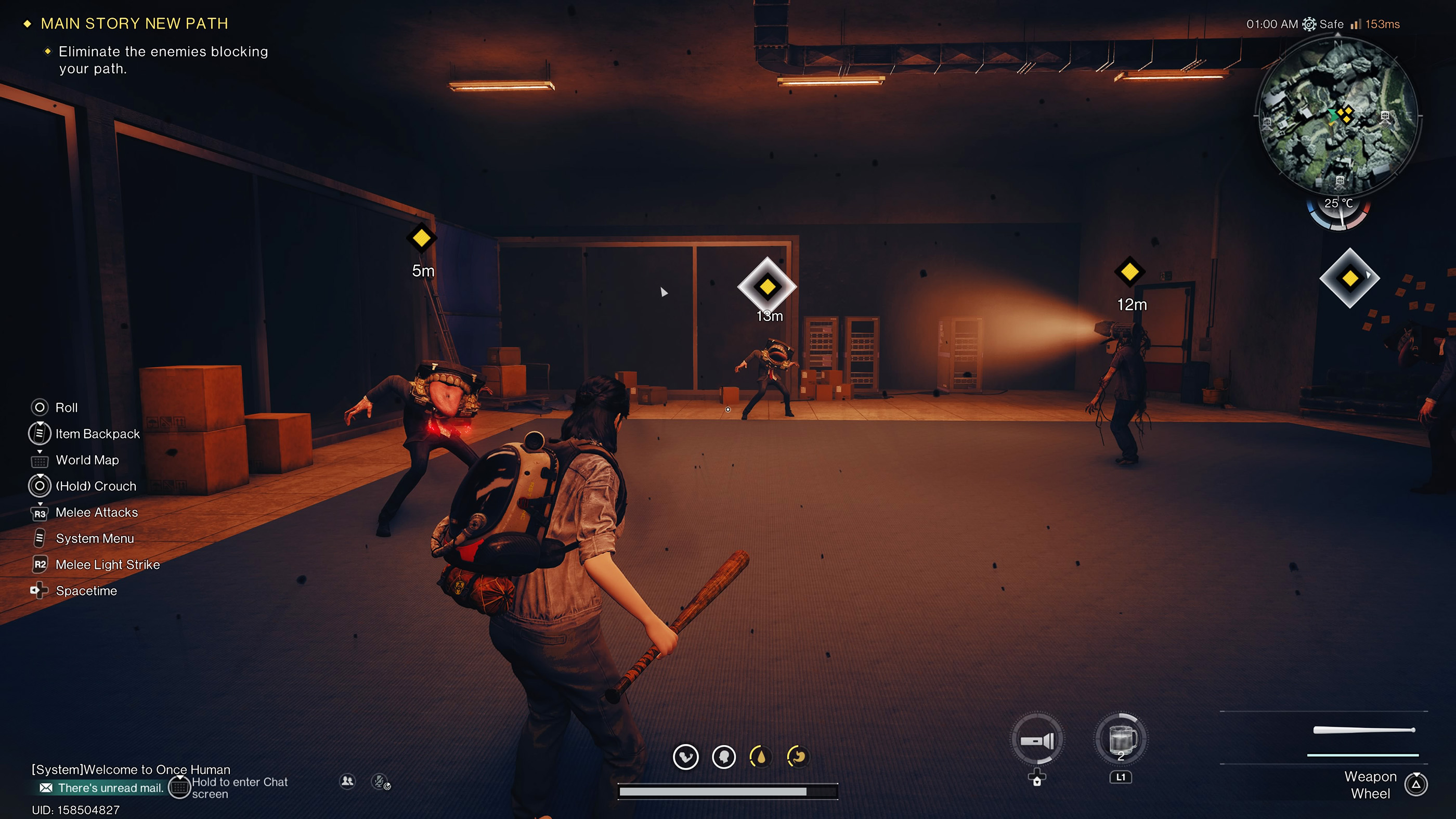
On controller, weapon and item wheels are faster once you build muscle memory around them.
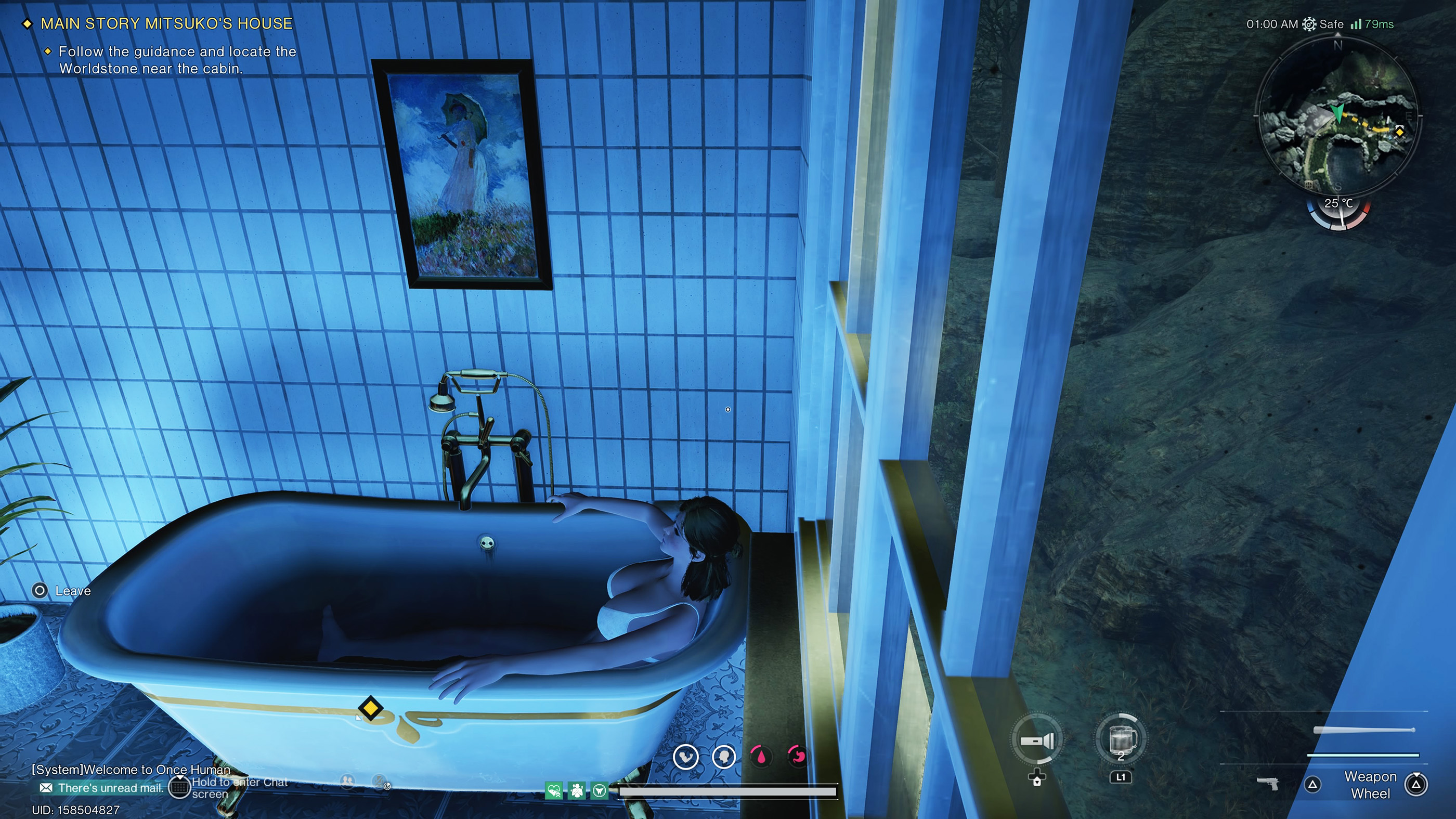
Hold Triangle for weapons and L1 for items with the standard PlayStation layout. Arrange your commonly used equipment logically so you do not have to search the wheel during a fight.
Common Beginner Mistakes
Spending Rare Resources Immediately
Save important currencies until you understand the blueprint or build you actually want.
Building an Elaborate Base Too Early
Functional crafting and storage are more valuable during early progression than decorative complexity.
Ignoring Teleportation Points
Activating them during your first visit saves enormous amounts of travel later.
Crafting Too Many Weapons
Concentrate resources on equipment that supports your preferred build.
Using Only Raw Gear Score
Weapon effects, mods and armor bonuses can matter more than a single larger number.
Saving Deviation Skills Forever
Use powerful abilities when they can make a difficult encounter safer or faster.
Arriving without Ammunition
Restock before long objectives rather than relying on what you happen to loot.
Forgetting Durability
Repair important equipment before leaving your territory.
Sprinting Directly into Strongholds
Observe enemy positions and identify cover before starting the fight.
Skipping Useful Loot Because the Objective Is Complete
Finish searching the location before leaving when the area is safe.
A Good Routine before Leaving Your Territory
- Repair your main weapons and armor.
- Check ammunition.
- Prepare healing items.
- Carry food and water.
- Confirm your equipped Deviation.
- Empty unnecessary inventory weight.
- Check the map for nearby objectives.
- Place a destination marker.
- Decide whether teleporting or driving is faster.
A Good Routine inside a Stronghold
- Approach without immediately firing.
- Identify ranged enemies and dangerous elites.
- Find nearby cover.
- Attack weak points when possible.
- Reload during safe openings.
- Use your Deviation when the fight becomes crowded.
- Search buildings after the immediate threats are gone.
- Check upper floors and rooftops.
- Complete nearby objectives before leaving the area.
Frequently Asked Questions
What should I do first in Once Human?
Follow the introductory Journey tasks, establish a simple functional territory and activate nearby teleportation points while learning the main crafting systems.
What should I spend Memetic points on first?
Prioritize unlocks that solve your current bottleneck, particularly useful crafting, storage, survival and progression functions.
Should I upgrade every weapon?
No. Invest more heavily in weapons that suit your build and avoid wasting valuable materials on equipment you expect to replace quickly.
What should I spend Starchrom on?
Use it deliberately for blueprint progression that supports weapons and armor you genuinely intend to build around.
Are Deviations important?
Yes. Different Deviations assist with combat, production and other activities, and the right one can significantly improve a particular task.
What is the fastest way to travel?
Teleportation is usually best between unlocked points. Vehicles are valuable while exploring new areas or traveling somewhere without a nearby teleport destination.
Should I loot every building?
Search important settlements thoroughly, especially buildings near objectives and unusual structures, but become more selective with ordinary resources once your storage fills.
Why is my effective health changing in some areas?
Environmental conditions such as pollution and their effect on your character can reduce how comfortable exploration becomes. Check your condition and use suitable equipment or consumables.
Should I use melee weapons?
Yes. They are useful for weaker targets and situations where conserving firearm ammunition is more valuable than fighting at range.
Can I move my territory later?
Your first territory does not need to be treated as a permanent location, which is why practical construction is usually the better early priority.
Is Once Human better solo or with other players?
A large amount of progression can be handled solo, while groups make difficult activities, bosses and shared objectives easier to coordinate.
Make Every Trip Accomplish More
The most useful Once Human habit is simple: avoid making a long journey for only one reason. Activate the teleport point, gather useful resources along the road, clear a nearby objective and search the settlement before returning home.
Do the same with your gear. Build around a clear weapon idea, bring a Deviation that supports it and spend valuable resources only when they noticeably improve that setup. Once your travel, storage and equipment stop fighting against you, the survival systems become much easier to manage.
See our Once Human Controls Guide for PlayStation controls, combat commands, weapon and item wheels, Deviation inputs, vehicle controls and controller settings.
Comments
No comments yet. Be the first to share your thoughts!