
FC 26 Manager Career Mode is the deepest and most immersive version of the series to date. It gives you the power to step into the dugout, shape your club’s destiny, and manage every detail from tactics on the pitch to finances off it. With features like Manager Live challenges, a dynamic Manager Market, authentic gameplay presets, and the drama of unexpected events, every save feels like a fresh story waiting to be written. Whether you are building a dynasty with youth prospects, chasing glory with superstars, or fighting for survival in the lower leagues, FC 26 makes every decision matter.
Getting Started
Begin by choosing a club, difficulty, match length, and career options that suit your style. Decide whether you want strict or loose financial rules, and switch on features like unexpected events if you enjoy extra drama. Pick a manager avatar and a tactical identity from the start so that scouting, training, and transfer plans all point in the same direction.
Objectives and Board Vision
Your board sets short term and long term targets that shape your calendar. League position, domestic cup progress, continental performance, youth promotion, and financial health are common themes. Track your progress on the objectives screen and plan the season in blocks. If a target asks for youth minutes, schedule those appearances in lower pressure fixtures and cup early rounds so you can still chase results when the run in gets tense.
Manager Live Challenges
Live challenges keep saves fresh with rotating goals tied to form and story beats. Examples include unbeaten streaks, clean sheet runs, comeback wins, or academy graduation streaks. Treat them like mini projects inside your season plan. Rotate sensibly, lean on set pieces when you must grind results, and collect the rewards that feed future growth such as boosts, cosmetic items, and access to special players in new saves.
Squad Building and Transfers
Map the squad by role and contract status before you buy anyone. Fill the spine first keeper, centre back, midfielder, striker then add specialists like a deep playmaker or an inside forward. Use the depth chart to balance minutes for veterans and prospects. When negotiating, plan the full cost of a player including wage, bonuses, and sell on clauses. Use loan with option to buy for prospects who need minutes and consider short deals for experienced stopgaps who stabilize the dressing room.
Scouting Network
Assign scouts to regions that match your tactical blueprint. Set profiles for traits you care about such as pace, work rate, weak foot, or aerial presence. Build a shortlist with tiers so you can pivot quickly if targets are snatched by rivals. Keep a rolling calendar of scout reports and revisit them monthly. Track form and age curves so you buy at the right moment rather than paying a premium after a breakout month.
Youth Academy
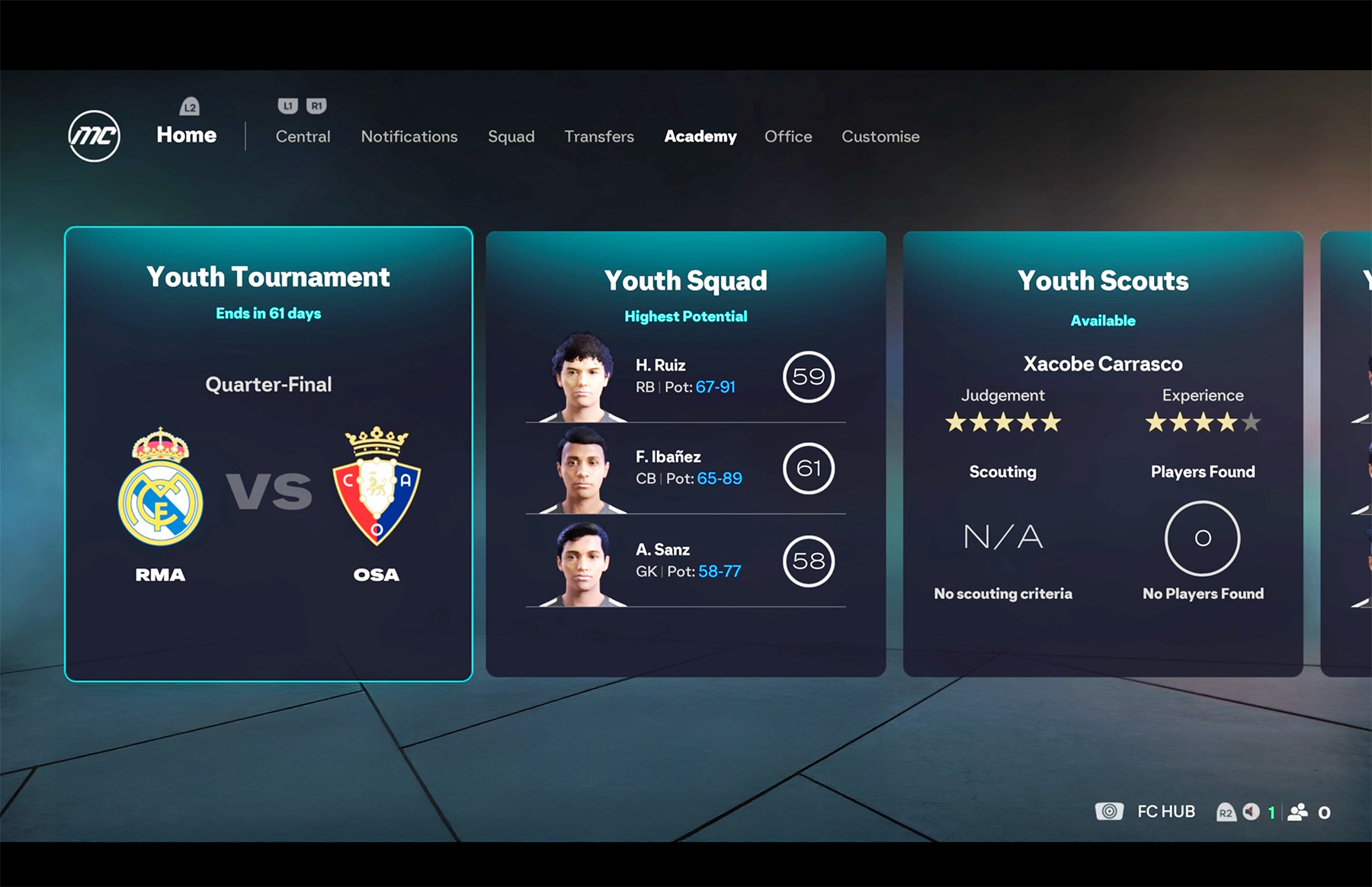
The academy is your long term savings account. Sign players with strong potential ranges and good base traits, then place them on position plans that fit your system. Move a fullback to wingback if you need width, or retrain a winger as an attacking midfielder if vision and passing stand out. Promote sparingly. Give debuts in home fixtures or later stages of safe league matches, and use cup ties to build confidence without risking points.
Training and Development
Use training plans to sharpen role specific attributes without draining fitness. Rotate schedules through recovery, sharpness, and targeted drills. Focus plans for fringe players on stamina and decision making so they are match ready when injuries hit. Review development plans every six to eight weeks and adjust when a role change or new tactic demands different strengths.
Negotiations and Contracts
Enter talks with a clear walk away number. Structure offers with realistic appearance fees and goal bonuses so wages do not balloon. Protect resale value with reasonable release clauses where appropriate. For renewals, act early with key players so you avoid panic raises near contract expiry. If an agent pushes too far, be willing to sell at peak value and reinvest across two positions instead of one marquee name.
Matchdays and Tactics
Pick a game model and commit. Decide on pressing height, line width, build up tempo, and risk tolerance in possession. Use prematch notes to target weak zones and set pressing triggers on their least composed defender or holding midfielder. In game, make small changes first. Drop the block a few yards if they keep finding runs in behind or tilt the fullbacks to crowd their creator. Save bigger switches for half time so your team shape does not collapse.
Data and Analysis
Read match data like a coach. Expected goals tells you about chance quality while field tilt and zones of control show where you truly dominate. If shot locations get too wide, tweak instructions for cutbacks or ask midfielders to attack the box. If you see constant crosses with low return, work for second balls around the area instead. Let numbers guide adjustments, not replace your eye test.
Press and Morale
Press events and player conversations affect mood and form. Keep messages consistent with your identity. Protect young players after tough games, praise senior leaders when they carry the group, and avoid empty promises about minutes. A happy squad trains harder, renews for fair terms, and pushes through congested fixtures with fewer dips.
Career Flow and Quality of Life
Use save timestamps to track parallel projects such as a youth rebuild and a win now super club. Dismiss busy work that no longer applies and pin the key hubs you visit every week. Calendar planning matters. Place recovery days after intense runs, schedule friendlies in useful windows, and preview travel before cup weeks to avoid fatigue spirals.
How to Make Money in Manager Career
Treat finances like squad building. Stack reliable income streams and time your big spends. Enter pre season tournaments with solid prize pools and schedule friendlies in regions that boost commercial reach. Win matches and progress in cups for immediate payouts. On the market, buy young at fair value, develop with minutes, and sell at the top of the curve. Insert sell on and appearance clauses when you move prospects. Keep a sane wage structure by setting internal tiers so rotation players do not earn starter money. Renovate the squad one window at a time and leave headroom for a winter opportunity or an emergency loan when injuries strike. Learn more on increasing your budget in FC 26 Career Mode.
Player Career Notes
If you jump into Player Career for a change of pace, choose an archetype that fits your style and lean into it. Build perks that complement your role, ask for a loan if you are buried on the depth chart, and target training plans that shore up weaknesses. Use objectives to measure progress and treat each season like a chapter in a longer story.
Practical Tips
Set two variations of your base tactic for game states ahead, level, and behind. Keep a short list of free agents for emergency depth. When fatigue builds, prioritize spine positions for rotation. Scout opponents two fixtures ahead so your training focus matches the challenge. Most important, stick to a plan and review at the end of every month so your club keeps moving forward.
Comments
No comments yet. Be the first to share your thoughts!