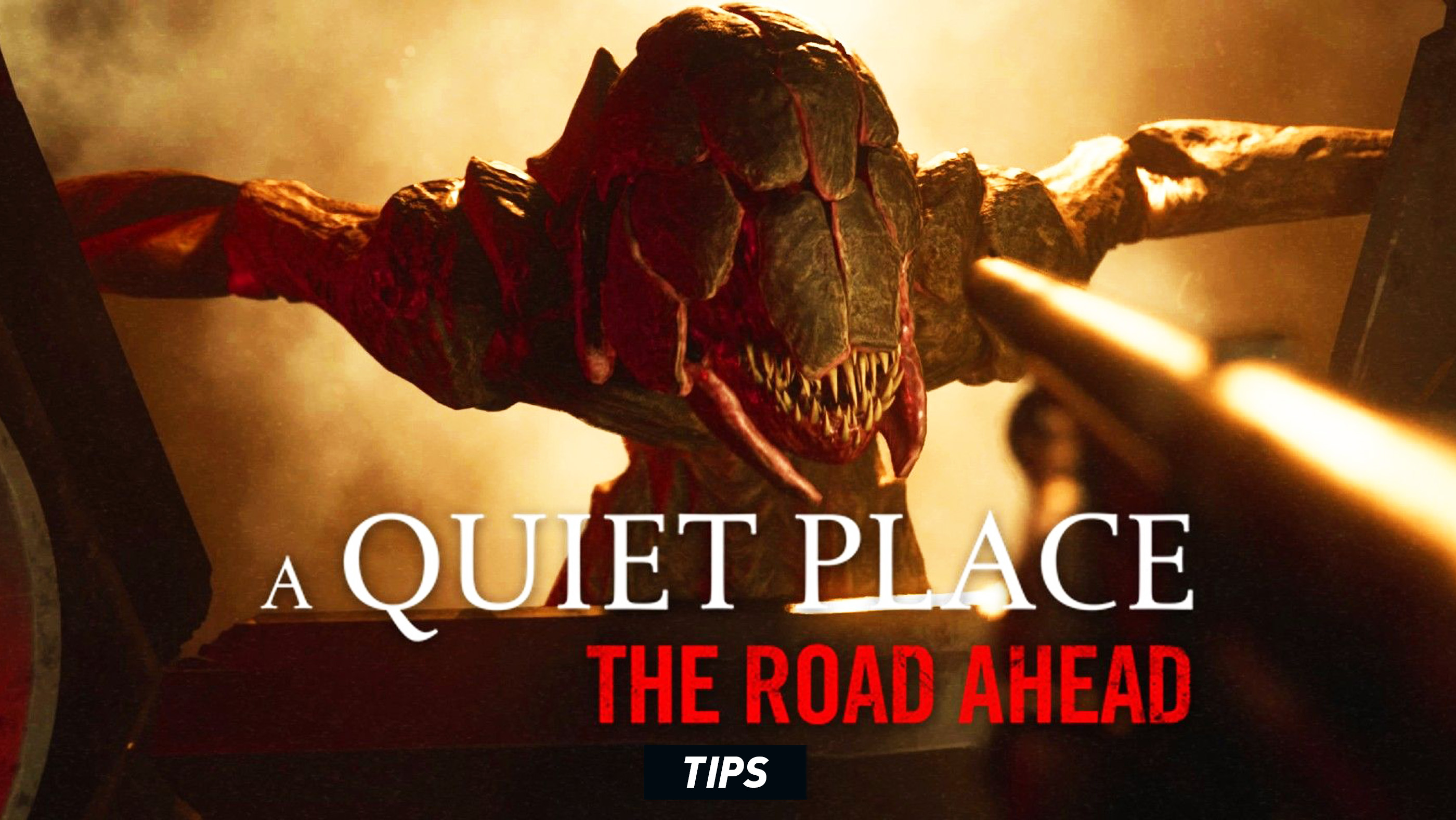
Surviving in A Quiet Place: The Road Ahead isn't about defeating monsters—it's about making fewer mistakes than they can hear. Every creaking floorboard, dropped bottle, or panicked sprint can bring a Death Angel to your location within seconds. Patience, observation, and resource management matter far more than quick reflexes. Whether you're just starting your journey or trying to survive on higher difficulties, these tips will help you stay alive.
Silence Is Your Strongest Weapon
Running should always be your last resort. Crouch whenever possible, move slowly over noisy surfaces, and think about every step before taking it. A slow approach is almost always safer than trying to outrun danger.
Watch the Phonometer Constantly
Your Phonometer is one of the most valuable tools in the game. It measures how much noise you're making and warns when your actions become dangerous. Make checking it a habit before opening doors, climbing obstacles, or crossing debris.
Use Bottles and Objects as Distractions
You don't always need to hide. Throwing bottles or other noise-making objects can lure Death Angels away from your intended path, creating enough time to sneak past safely.
Never Waste Your Inhaler
Alex's asthma is one of the game's biggest survival mechanics. Save your inhaler for genuine emergencies instead of using it the moment your breathing becomes uncomfortable. Running out at the wrong time can easily end a chapter.
Don't Leave Drawers Unsearched
Supplies are limited throughout the campaign. Explore offices, bedrooms, storage rooms, and abandoned vehicles carefully to collect inhalers, batteries, distraction items, and other useful resources before moving forward.
Close Doors Behind You
Closing doors won't stop every threat, but it can reduce visibility, slow your own panic, and help you mentally track which rooms you've already searched. Small habits like this make navigation much easier later.
Listen More Than You Look
Good headphones provide a major advantage. Footsteps, creature movements, falling debris, and environmental noises often warn you of danger before you actually see it.
Learn Which Surfaces Make Noise
Broken glass, metal debris, puddles, loose boards, and scattered objects all produce different amounts of sound. After a few encounters you'll naturally recognize which paths are safer and which should be avoided whenever possible.
Use Focus Before Entering New Rooms
Focus helps reveal important objects and improves your awareness of the environment. Before rushing into unfamiliar areas, stop for a moment and scan the room—you'll often notice alternate routes, supplies, or hazards you would have otherwise missed.
Patience Wins Every Encounter
Most deaths happen because players become impatient. Wait for patrols to move away, watch enemy patterns, and only advance when you're confident the path is clear. The safest solution is almost never the fastest one.
Know When to Stop Exploring
Exploration is rewarding, but don't become greedy. If you've already found several useful supplies and hear increasing enemy activity, it's often smarter to continue the objective rather than risk losing progress for one extra drawer.
Manage Your Flashlight Carefully
The flashlight is invaluable in dark environments, but constantly relying on it can leave you unprepared when its battery runs low. Turn it off whenever natural light is available and recharge it before entering dangerous areas.
Memorize Escape Routes
Every time you enter a new location, quickly identify hiding spots, crawl spaces, lockers, and alternate exits. If something goes wrong, you'll already know exactly where to retreat instead of panicking.
Use Crouch More Than Sprint
Running creates significant noise and should only be used when you've already been discovered or absolutely have no other choice. Remaining crouched dramatically improves your chances of staying unnoticed.
Keep Your Inventory Organized
Know where your distraction items, batteries, and inhalers are before you need them. Fumbling through your inventory during a tense encounter can easily cost you your life.
Environmental Storytelling Often Hides Supplies
Rooms that appear important—such as clinics, security offices, bedrooms, or emergency shelters—usually contain useful resources or story details. If an area looks meaningful, it's worth taking a closer look.
Don't Assume You're Safe After a Checkpoint
Checkpoints reduce frustration, but they don't make the next section easier. Stay cautious immediately after every autosave because the game often introduces new hazards shortly afterward.
Practice Staying Calm
One of the easiest ways to fail is by reacting too quickly. If a Death Angel appears, resist the urge to sprint immediately. Observe its movement, stay hidden, and only relocate when you have a clear opportunity.
Accessibility Options Can Improve Stealth
The game includes numerous accessibility features and full controller remapping. If you're struggling with specific mechanics, adjusting controls or visual settings can make stealth encounters much more comfortable without reducing the overall experience.
Experience the Game With Headphones
A Quiet Place: The Road Ahead is designed around sound. Playing with headphones makes it much easier to identify enemy movement, environmental cues, and subtle audio warnings that can save your life.
See also Controls and Buttons for A Quiet Place: The Road Ahead
Comments
No comments yet. Be the first to share your thoughts!